 Zoom
Zoom
Photo: Nikola Uzunovski, Christine Schmauszer (visualisation) 1 image
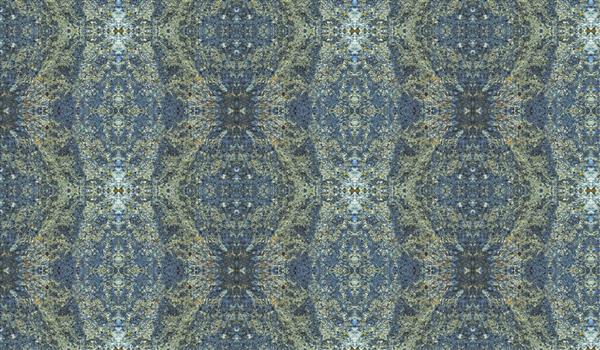
Modern Baroque
Nikola Uzunovski
Wallpaper with a photograpy as a source, digitally edited
variable
2026
Inv. No. WP_40
on loan
Die Tapete Modern Baroque von Nikola Uzunovski entfaltet eine vielschichtige ästhetische und inhaltliche Spannung. Uzunovski, dessen Werk sich durch die Untersuchung natürlicher und wahrnehmungsbezogener Phänomene auszeichnet und der großen Wert auf die Beziehung zwischen Menschen und Umwelt legt, bewegt seine Arbeit an der Schnittstelle von Kunst, Architektur und ökologischer Reflexion. Seine künstlerische Laufbahn ist international sichtbar: Er nahm unter anderem an der 53. Biennale di Venezia teil und zählt zu den prägenden zeitgenössischen Künstlern Nordmazedoniens.
Modern Baroque greift Motive auf, die auf den ersten Blick ästhetisch reizvoll wirken: marmorne Strukturen, wie man sie aus klassischen und barocken Architekturen kennt, sowie die ornamentale, oft symmetrische Bildsprache barocker Gartenanlagen. Diese visuellen Anklänge an historische Repräsentationsformen erzeugen eine Atmosphäre geordneter Schönheit und kultureller Verfeinerung. In diese Bildwelt webt Uzunovski jedoch ein radikales Gegenmotiv: Das fotografische Ausgangsmaterial zeigt eine Müllhalde in Nordmazedonien, einen Ort ökologischer Belastung und sozialer Realität. Die Tapete verwandelt diesen Schauplatz von Verfall und Überfluss in ein ornamentales Muster, das erst auf den zweiten Blick seine verstörende Herkunft offenbart.
Diese Spannung ist charakteristisch für Uzunovskis Denken: Seine Arbeiten untersuchen, wie Wahrnehmung konstruiert wird und wie ästhetische Formen den Blick auf Umwelt und Gesellschaft lenken. Indem er das Bild der Müllhalde in ein ästhetisch ansprechendes System überführt, stellt er Fragen nach Verantwortung, Sichtbarkeit und Verdrängung. Was bedeutet Schönheit, wenn ihr Ursprung aus einer Landschaft des Abfalls stammt? Welche Rolle spielt Gestaltung in einer Welt, die von ökologischen Krisen geprägt ist?
Modern Baroque ist damit nicht nur dekoratives Element, sondern ein bewusst platzierter ästhetischer Zwischenraum: Es lädt Betrachterinnen und Betrachter ein, über die alltäglichen Strukturen des Konsums und die unsichtbar gemachten Orte unseres Abfalls nachzudenken. Uzunovski gelingt es, das Harte, Rohe und gesellschaftlich Verdrängte in eine poetische und zugleich kritische Bildsprache zu überführen – ein Markenzeichen seines interdisziplinären, forschenden Ansatzes.
Text: Heike Maier-Rieper, 2026
Exhibitions
Tapeti. Wallpaper and Artworks from the Museum of Contemporary Art Skopje and evn collection, Museum of Contemporary Art Skopje , Skopje, 2026
Context
More Wallpapers
More works
from 2026
More works
objects of daily use